

led full length wall mirror
The Importance of Dial Bore Gauges in Precision Measurement In the realm of precision engineering and manufacturing, the importance of accurate measurement cannot be overstated. One of the essential instruments used for achieving such accuracy is the dial bore gauge. Among the various types available, the dial bore gauge with a range of 50 to 160 mm has become a popular choice for professionals in many fields, including automotive, aerospace, and general manufacturing. Understanding the Dial Bore Gauge A dial bore gauge is a specialized measuring tool designed to measure the internal diameter of a hole, cylinder, or bore with high precision. It typically consists of a dial indicator attached to a set of adjustable measuring arms. The unique design allows for quick adjustments and easy readings, making it a favored choice for engineers and machinists who require reliable measurements of cylindrical surfaces. The gauge operates by inserting its measuring probe into the bore. As the probe encounters the inner surface, it translates this contact into a dial reading. This process enables operators to detect any variances in the bore size, determining whether it meets the specified tolerances necessary for proper functioning. For instance, in engine manufacturing, even minor deviations in cylinder dimensions can lead to significant performance issues. Applications of a Dial Bore Gauge (50 - 160 mm) The 50 to 160 mm range is particularly useful for various applications, including 1. Engine Cylinders In automotive engineering, the internal diameters of engine cylinders must adhere to strict specifications. A dial bore gauge allows technicians to verify that the bores are correctly sized for piston fitting, ensuring optimal engine performance. 2. Manufacturing of Pipes and Hoses In industries that involve pipe manufacturing, maintaining the correct internal diameter is critical for ensuring fluid flow. Dial bore gauges help ensure that the internal dimensions of pipes are consistent and within regulatory standards. dial bore gauge 50 160mm 3. Quality Assurance Many manufacturing processes involve the production of parts with cylindrical features. Implementing regular measurements using a dial bore gauge ensures that production remains within the specified tolerances, enhancing overall quality control. 4. Maintenance and Repair In maintenance applications, being able to accurately gauge the bore sizes of existing components enables mechanics to make informed decisions about repairs or replacements . Advantages of Using Dial Bore Gauges - Accuracy One of the primary benefits of a dial bore gauge is its precision. Capable of measuring to thousandths of a millimeter, it significantly reduces the margin for error, which is crucial in high-stakes environments. - Ease of Use The design of the dial bore gauge simplifies the measuring process, allowing operators to quickly take readings without extensive training. - Versatility With its adaptable range, the 50 to 160 mm dial bore gauge can be used in various settings and applications, making it a versatile addition to any measurement toolkit. - Durability Typically constructed from robust materials, dial bore gauges are designed to withstand the rigors of daily use in shop environments, ensuring longevity and reliable performance. Conclusion In conclusion, the dial bore gauge, particularly in the 50 to 160 mm range, is an invaluable tool in precision measurement. Its ability to provide accurate measurements for internal diameters makes it essential in diverse applications, from automotive manufacturing to quality control in industrial settings. As the demand for precision and quality continues to rise in various industries, the role of dial bore gauges in ensuring compliance with specifications will remain critical in the years to come.
about
led full length wall mirror
Understanding Snap Check Gauges A Comprehensive Guide When it comes to precision measurement in engineering and manufacturing, accurate tools are paramount. Among these tools, the snap check gauge is a device that plays a crucial role in ensuring the quality and accuracy of machined parts. This article delves into the principles, applications, advantages, and maintenance of snap check gauges. What is a Snap Check Gauge? A snap check gauge, often referred to as a snap gauge or snap gage, is a precision measuring instrument used to check the dimensions of parts, typically in manufacturing and assembly processes. Unlike calipers or micrometers that can provide continuous measurements, snap gauges are designed for quick checks of specific dimensions, such as diameters or heights, ensuring that parts adhere to specified tolerances. Snap gauges come in various types, including fixed, adjustable, and digital varieties. Fixed snap gauges are set to a specific dimension and can only measure that size, while adjustable snap gauges allow for a range of measurements. Digital snap gauges offer the benefits of digital readouts, making them easier to read and reducing human error. How Does a Snap Check Gauge Work? The basic working principle of a snap check gauge involves comparing the feature of a part against a reference standard . The gauge has two contact points one fixed and one movable. When a part is inserted into the gauge, the movable contact will either snap into place or not, depending on whether the part's dimension falls within the acceptable range. This evaluation process is straightforward and requires minimal setup time, making it an efficient tool in high-volume production environments. Applications of Snap Check Gauges Snap check gauges find applications across various industries, including automotive, aerospace, electronics, and general manufacturing. Their primary use is to ensure that parts meet specified tolerances and quality standards. Some of the specific applications include 1. Diameter Measurements Snap gauges are commonly used to measure the outer and inner diameters of cylindrical parts, such as shafts and tubes, ensuring they fit into mating components. 2. Thickness Checks In industries where precise thickness is critical, such as in sheet metal fabrication, snap gauges can quickly verify the thickness of materials. 3. Height and Depth Specifications Snap gauges can also be engineered to measure the height and depth of parts accurately, making them essential in ensuring components fit within designated spaces or slots. 4. Go/No-Go Testing This quality assurance technique uses snap gauges to determine whether a part conforms to industry standards without requiring detailed measurements. The “go” side of the gauge indicates acceptable dimensions, whereas the “no-go” side signifies out-of-tolerance features. Advantages of Using Snap Check Gauges snap check gauge Snap check gauges offer several advantages over other measuring instruments - Speed and Efficiency The primary advantage is the speed with which snap gauges can assess part dimensions. This feature helps streamline the manufacturing process, particularly in assembly lines where time is of the essence. - Ease of Use Snap gauges are user-friendly and generally do not require extensive training to operate. This characteristic enables employees to conduct quick checks without needing specialized knowledge. - Cost-Effectiveness Compared to other precision measuring tools, snap gauges are relatively low-cost, making them accessible for small and large manufacturers alike. - Durability and Reliability Most snap gauges are built from robust materials, ensuring long-lasting performance even in demanding industrial environments. Maintenance of Snap Check Gauges To ensure the accuracy and longevity of snap check gauges, proper maintenance is essential. Here are some best practices 1. Regular Calibration Calibration against a known standard should be performed regularly to maintain measurement accuracy. 2. Cleaning Keep the gauge clean to prevent accumulated dirt or debris from affecting measurements. Use a soft cloth and appropriate cleaning solutions as needed. 3. Proper Storage Store gauges in protective cases to avoid physical damage when not in use. Ensure they are kept in a controlled environment to minimize exposure to moisture or extremes in temperature. 4. Routine Inspection Regularly inspect the gauge for wear, damage, or misalignment, and replace parts as necessary to keep it in optimal working condition. Conclusion Snap check gauges are invaluable tools in precision measurement, offering efficiency and reliability across various industries. With their simple design and straightforward operation, they provide rapid assessments of critical dimensions that ensure parts meet stringent quality standards. Understanding their operation, applications, and maintenance will help businesses harness their full potential, ultimately leading to improved production processes and quality assurance.
-

High quality industrial productsagement

High quality industrial products
View Details -

Meet the diverse needs of customers

Meet the diverse needs of customers
View Details -

Strict quality control

Strict quality control
View Details -

Top raw materials

Top raw materials
View Details -

Trusted supplier

Trusted supplier
View Details
Our application

news and information
vibration damping pads for heavy machinery
Vibration Damping Pads for Heavy Machinery Enhancing Performance and Longevity In the world of heavy

Y-Type Cast Iron Strainer for Efficient Fluid Filtration and Flow Control
The Importance of Cast Iron Y-Type Strainers in Industrial Applications In various industrial applic
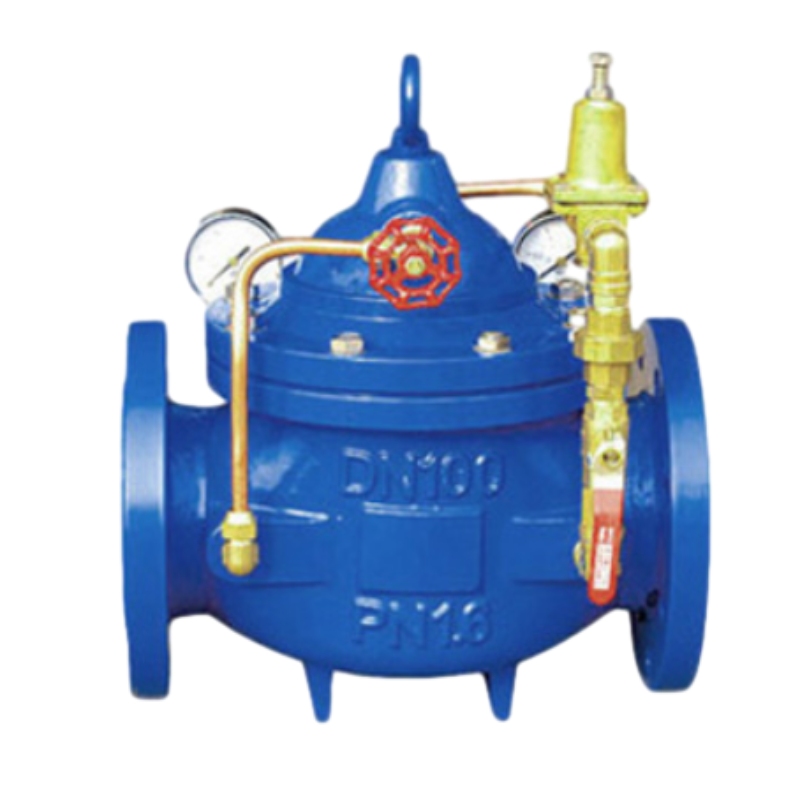
Wholesale Level Insights for Effective Business Strategies and Market Growth
Understanding Level Wholesale A Comprehensive Overview In the ever-evolving landscape of retail and
 English